 EN
EN

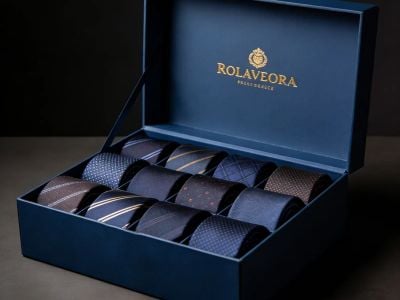
Eco-friendly clothing box solutions are becoming increasingly vital for retailers looking to enhance their sustainability efforts while maintaining product integrity and brand image. As manufacturers like Foshan Chuanruida Packaging Co., Ltd. specialize in creating customized packaging solutions, the focus on eco-friendly materials and practices is more important than ever. This article addresses key considerations for B2B buyers when selecting eco-friendly clothing box solutions, including supplier evaluation, specifications, cost factors, applications, and materials used.
How to Choose the Right Eco-Friendly Clothing Box Supplier?
Selecting the right supplier for eco-friendly clothing boxes involves evaluating several critical factors. First, assess the supplier's experience in producing sustainable packaging. Suppliers should demonstrate a commitment to eco-friendly practices, such as using recycled or biodegradable materials and having a clear sustainability policy. Another essential factor is customization capability. High-quality suppliers, like Foshan Chuanruida Packaging Co., Ltd., should offer tailored solutions that align with your brand's unique needs, including sizes, designs, and printing options. Additionally, check for clothing box control processes to ensure consistency and reliability in production. It's also beneficial to analyze the supplier's production capacity and lead times. A reliable supplier should be able to meet your order volume without compromising on quality. Finally, seek references or testimonials from other businesses that exhibit the supplier’s track record in delivering eco-friendly packaging solutions.
Key Specifications for Clothing Box Solutions
When sourcing eco-friendly clothing box solutions, certain specifications should be prioritized to ensure the packaging meets your requirements. Important specifications include:
Dimensions: The size of the box should be appropriate for the clothing item it will hold. Custom dimensions help minimize wasted space and reduce shipping costs.
Material Composition: Eco-friendly boxes can be made from various materials, including recycled paper, cardboard, or biodegradable plastics. Understanding the material properties, such as strength and moisture resistance, is crucial for protecting the contents.
Structural Design: The design should not only be aesthetically pleasing but also functional. Consider whether the box needs additional features like handles, closures, or inserts that enhance usability and presentation.
Printing and Branding: High-quality printing techniques should be employed to ensure that your branding is effectively displayed. Eco-friendly inks and finishes can enhance the sustainability of the packaging.
These specifications should be clearly communicated to potential suppliers to ensure they can meet your packaging needs effectively.
Cost Factors to Consider When Sourcing Eco-Friendly Packaging
Cost is a significant factor when sourcing eco-friendly clothing boxes, and several components contribute to the overall pricing. Initially, the choice of materials can impact costs. While recycled and biodegradable materials may have a higher upfront cost than conventional options, they often lead to long-term savings through improved brand loyalty and customer preference for sustainable products.
Additionally, customization features can affect pricing. More complex designs or unique sizes may incur additional setup and production costs. It's essential to balance the desired packaging features with your budget constraints.
Another cost consideration is shipping and logistics. Eco-friendly packaging that is lightweight and compact can reduce shipping expenses. Evaluate potential suppliers on their ability to provide efficient delivery options to keep overall costs manageable.
Lastly, always request detailed quotations that outline all potential costs to avoid surprises later in the process.
Applications of Eco-Friendly Clothing Boxes in Retail Environments
Eco-friendly clothing boxes are versatile and suitable for various retail applications. They can be used for:
E-commerce Packaging: With the rise of online shopping, eco-friendly vintage clothing box provide a sustainable option for shipping products directly to customers. They protect garments during transit while reinforcing your brand's commitment to sustainability.
In-Store Presentation: Retailers can utilize these boxes for visual merchandising. Well-designed eco-friendly packaging can enhance the shopping experience and attract eco-conscious consumers.
Gift Packaging: Retailers offering apparel as gifts can benefit from aesthetically appealing eco-friendly boxes that elevate the perceived value of the product.
Subscription Services: For businesses offering subscription boxes, eco-friendly packaging aligns with the sustainable ethos that many customers expect.
In all these applications, the choice of eco-friendly materials and designs contributes to a positive brand image and helps meet increasing consumer demand for sustainability.
Materials Used in Eco-Friendly Clothing Boxes
The choice of materials is critical when selecting eco-friendly clothing boxes. Common materials include:
Recycled Paper: This is one of the most widely used materials for eco-friendly packaging. It offers good strength and can be printed with eco-friendly inks, making it suitable for branding.
Cardboard: Made from sustainably sourced fibers, cardboard is strong and can be easily customized. It is biodegradable and recyclable, making it an excellent option for eco-friendly packaging.
Biodegradable Plastics: In some cases, biodegradable plastics made from plant-based materials can be used. These materials break down more quickly than traditional plastics, reducing environmental impact.
Kraft Paper: This unbleached paper is strong and has a natural look, making it a popular choice for clothing boxes for men brands that want an organic feel. It is also recyclable and biodegradable.
When evaluating materials, consider the specific requirements of your clothing items, such as weight, protection level, and environmental impact. Collaborating with a knowledgeable supplier can help you select the best options for your needs. By understanding these factors, B2B buyers can make informed decisions about eco-friendly clothing box solutions that not only meet their packaging needs but also align with their sustainability goals.