 EN
EN

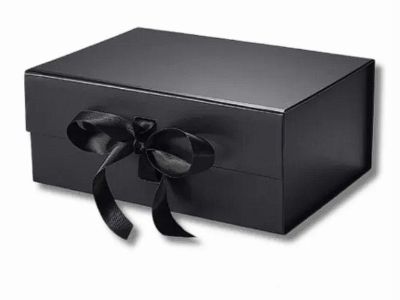
Box packaging is a critical component for small businesses looking to enhance their brand image and protect their products during transit. In this complete guide to box packaging for small businesses, we address the essential specifications, material options, and sourcing considerations that matter most to B2B buyers. Understanding these factors can help purchasing managers, distributors, and product managers make informed decisions that align with their business objectives.
Understanding Box Packaging Specifications for Wholesale Buyers
When selecting magnetic box packaging, buyers should focus on several key specifications that directly impact functionality and aesthetics. These include box dimensions, material type, structural design, and printing options.
Dimensions: The size of the box should be tailored to fit the product snugly, minimizing movement during shipping to prevent damage. Oversized boxes can lead to increased shipping costs and wasted space, while undersized boxes may compromise product integrity.
Material Type: Common materials include corrugated cardboard, solid board, and paperboard. Each material has specific characteristics affecting durability and suitability. For instance, corrugated cardboard is lightweight yet strong, making it ideal for shipping heavier items, while paperboard is often used for lighter products due to its lower cost and lighter weight.
Structural Design: The box's structure can influence how it is assembled and how well it protects the contents. Options such as tuck-end boxes, die-cut boxes, or rigid boxes each serve different purposes and require different manufacturing processes.
Printing Options: Custom printing can enhance branding and improve the un-boxing experience. Buyers should verify the printing techniques available, such as Flexographic, Lithographic, or digital printing, to ensure they meet their design requirements.
Understanding these specifications will help buyers make informed decisions that align with their packaging needs.
What Small Businesses Should Know
Small businesses should be aware of several critical factors when considering box packaging. Firstly, the minimum order quantity (MOQ) can significantly affect budget and inventory management. Many manufacturers offer competitive pricing for larger orders, so understanding the MOQ is crucial for cost-effective planning.
Additionally, businesses should consider lead times. The manufacturing process for custom packaging can vary widely based on design complexity, order volume, and supplier capacity. Establishing a clear timeline with the supplier helps ensure that products are ready for launch or sale.
Another important aspect is the customization capabilities. Many packaging manufacturers, like Foshan Chuanruida Packaging Co., Ltd., offer OEM/ODM options, allowing businesses to create unique packaging that reflects their brand identity. However, it is essential for buyers to communicate their design and functional requirements clearly to avoid issues during production.
Lastly, quality control processes are vital. Buyers should inquire about the supplier's quality assurance methods to ensure that the packaging will meet industry standards and protect their products effectively.
Where to Source Reliable Box Packaging Suppliers for Your Needs
Finding a reliable box packaging supplier can be a daunting task, especially for small businesses. Here are some strategies to identify trustworthy manufacturers:
Industry Referrals: Networking within your industry can lead to recommendations for reputable suppliers. Attend trade shows and industry events to connect with paper box packaging manufacturers and other businesses.
Online Research: Utilize online platforms and directories that list packaging suppliers. Evaluate their websites for information on their manufacturing capabilities, product range, and customer testimonials.
Request Samples: Before committing to a supplier, request samples of their packaging products. This allows buyers to assess the quality, materials, and printing techniques firsthand.
Check Certifications: Look for suppliers that hold relevant industry certifications, such as ISO certification, which demonstrates a commitment to quality management systems.
Evaluate Communication: A reliable supplier should be responsive and willing to discuss your specific needs. Communication is key to ensuring that your requirements are understood and met.
By following these steps, small businesses can better navigate the supplier landscape and find packaging partners that align with their objectives.
Common Problems with Box Packaging and Effective Solutions
While box packaging provides essential protection and branding opportunities, several common issues can arise during the manufacturing and shipping processes. Understanding these problems and their solutions is vital for small businesses.
Misalignment in Dimensions: A common issue is receiving boxes that do not match the ordered dimensions. This can lead to products not fitting properly or increased shipping costs. To mitigate this, buyers should double-check specifications and confirm dimensions with the supplier before production begins.
Material Weakness: Boxes made from subpar materials can fail under pressure, leading to product damage. Buyers should ensure that the selected material meets the necessary strength requirements for their specific products, especially if they are heavy or fragile.
Print Quality Issues: Poor print quality can result in faded or misaligned graphics, detracting from the overall brand image. Buyers should request proofs or samples before mass production to verify print quality and ensure that the final product matches their expectations.
Inconsistent Production: For repeat orders, variations in production quality can occur. Establishing a robust quality control process and maintaining open communication with the supplier can help ensure consistency in future orders.
By being aware of these common issues, small businesses can take proactive steps to avoid potential pitfalls in their packaging process.
Applications of Box Packaging in Various Industries and Markets
Box packaging is versatile and finds applications across multiple industries. Here are some common uses:
E-commerce: The boom in e-commerce has led to an increased demand for durable and visually appealing packaging. Box packaging protects items during transit and creates an engaging un-boxing experience for consumers.
Food and Beverage: In the food industry, packaging must meet specific regulatory standards to ensure safety and freshness. Rigid boxes and corrugated containers are commonly used to protect food items during distribution.
Cosmetics and Personal Care: High-end brands often utilize custom-designed boxes to enhance brand perception. The packaging not only protects the product but also serves as a marketing tool that reflects the brand's identity.
Electronics: For electronics, packaging must provide significant protection due to the fragility of items. Customized foam inserts or partitions within the box can help secure the product and prevent damage during shipping.
By understanding the applications of custom packaging boxes in various sectors, small businesses can better tailor their packaging solutions to meet industry-specific requirements and expectations.
With this complete guide to box packaging for small businesses, purchasing managers and product managers are now equipped with the knowledge to make informed decisions regarding their packaging needs. Exploring specifications, understanding supplier dynamics, and addressing common issues can lead to successful packaging outcomes that enhance brand reputation and product protection.