 EN
EN

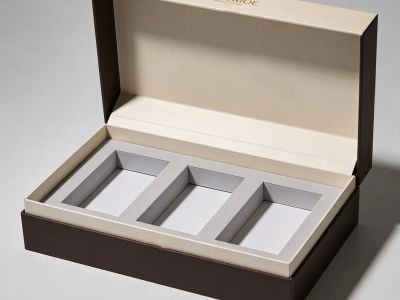
DIY gift boxes are a versatile solution for businesses looking to enhance their packaging offerings. These boxes can be custom-designed and made at home, providing a unique way for companies to engage customers with personalized gifts. This article explores essential factors that B2B buyers should consider when choosing DIY gift box ideas, focusing on material selection, design comparisons, assembly guidance, and various industry applications. Understanding these elements will help purchasing managers, product managers, and other professionals make informed decisions to meet their packaging needs.
How to Choose Quality Materials for DIY Gift Boxes?
Selecting the right materials is crucial for producing high-quality DIY gift boxes. Considerations should include durability, aesthetics, and sustainability. Common materials used are cardboard, kraft paper, and corrugated board, each offering unique benefits.
Cardboard: Lightweight and cost-effective, cardboard is ideal for standard gift boxes. Ensure the thickness meets your requirements; a minimum of 300 GSM (grams per square meter) is recommended for a sturdy structure.
Kraft Paper: This material adds a rustic charm and is biodegradable, appealing to eco-conscious consumers. It’s essential to evaluate the weight and finish, as these factors influence its strength and appearance.
Corrugated Board: For heavier items, corrugated board provides extra protection. The flute size affects its load-bearing capacity, so consult with your supplier on suitable options based on your product weight and shipping needs.
When selecting materials, also consider printing options. Advanced printing technologies can enhance visual appeal, so ensure your supplier can accommodate your design specifications.
What Buyers Need to Know?
Before placing an order for DIY gift boxes, buyers should be prepared with specific information to facilitate a smooth purchasing process. Key factors include:
Product Specifications: Clearly define the dimensions, material preferences, and any specific design requirements. Customization capabilities should be discussed early to avoid miscommunication.
Minimum Order Quantity (MOQ): Different manufacturers have varying MOQs. Understanding this will help in budgeting and planning your inventory effectively.
Customization Options: Inquire about the gift boxes and wrapping paper extent of customization available, from size and shape to printing and finishes. This can significantly affect your branding and customer appeal.
Lead Times: Discuss production timelines, especially if you have a specific event or launch date in mind. A reliable supplier should provide clear estimates and updates throughout the production process.
Quality Assurance: Establish what quality control measures the manufacturer employs. This is vital for ensuring that the final product meets your standards and specifications.
Compare Different DIY Gift Box Designs for Your Business Needs
When evaluating DIY gift box designs, consider the intended use and target audience. Different designs cater to various product types and customer preferences. Here are some popular styles:
Tuck Top Boxes: Ideal for lightweight products, these boxes provide easy assembly and a clean look. They are suitable for retail items and promotional gifts.
Magnetic Closure Boxes: Offering a premium feel, these boxes are perfect for luxury items. The magnetic closure adds a touch of elegance, making them ideal for gifts that require a high-end presentation.
Window Boxes: These designs incorporate a transparent panel, allowing customers to see the gift box wrapping paper product inside. This is beneficial for food items or handcrafted goods where visual appeal is essential.
Folding Boxes: Versatile and space-saving, folding boxes can be flat-packed for shipping. They are ideal for brands looking to reduce shipping costs while providing a functional packaging solution.
By comparing these options, businesses can select designs that align with their branding and operational needs, ensuring a cohesive customer experience.
Installation Guidance for Assembling Your DIY Gift Boxes
Proper assembly of DIY gift boxes is essential for maintaining product integrity. Here are some practical steps to ensure efficient assembly:
Preparation: Before assembly, ensure all components are organized and ready. This includes the box itself, any inserts, and additional decorative elements.
Folding Techniques: Follow manufacturer guidelines for folding. For tuck-top boxes, ensure the flaps are creased properly to avoid misalignment. For magnetic boxes, check that magnets are positioned correctly to ensure a secure closure.
Quality Checks: Inspect the assembled boxes for any defects or misalignments. Pay attention to the edges and corners, as these areas are prone to damage.
Packaging for Shipping: If boxes are to be shipped flat, ensure they are securely packed to avoid damage. Consider using protective materials like bubble wrap or cardboard dividers to maintain box integrity during transit.
Providing detailed assembly instructions and quality checks will help ensure that your DIY gift boxes arrive in perfect condition, ready for your customers.
Applications for DIY Gift Boxes in Various Industries
DIY gift boxes are not limited to personal gifting; they have extensive applications across various industries:
Retail: Retail brands use custom gift boxes to enhance product presentation during holidays or promotional events. This adds value and encourages impulse purchases.
E-commerce: For online businesses, attractive gift packaging can enhance the unbox experience, leading to higher customer satisfaction and repeat purchases.
Food and Beverage: Many food brands use gift boxes for seasonal products or special occasions, ensuring the packaging is both functional and appealing.
Corporate Gifting: Companies often use bespoke gift boxes for employee recognition or client gifts. Customization allows for branding opportunities, making a lasting impression.
Understanding these applications can help businesses tailor their paper gift box offerings to meet specific market demands, enhancing their overall packaging strategy.
By focusing on quality materials, understanding design options, mastering assembly, and recognizing industry applications, B2B buyers can make informed decisions about DIY gift box solutions that cater to their unique needs.