 EN
EN

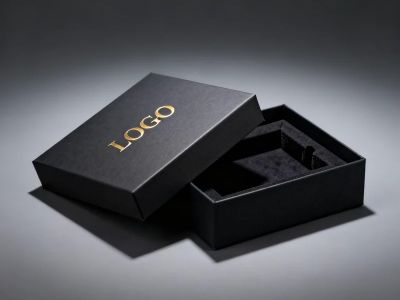
Choosing the right jewelry box for your business is essential, as it not only protects and presents your products but also plays a role in your branding. This Complete Guide to Choosing the Perfect Jewelry Box will help you understand the key considerations in selecting the right packaging solution, addressing common buyer concerns such as quality, sourcing, budgeting, and display. By the end of this guide, you'll be equipped with the knowledge to make informed purchasing decisions for your jewelry packaging needs.
How to Evaluate Jewelry Box Quality for Your Business Needs?
When evaluating the quality of jewelry boxes, several factors come into play. First, consider the materials used. High-quality jewelry boxes are often made from durable materials like wood, metal, or high-grade cardboard, which can withstand handling and transportation. The choice of material will affect the appearance, protection, and overall customer perception of your brand.
Next, assess the construction quality. Look for factors such as sturdy hinges, secure closures, and well-finished edges. A poorly constructed box may lead to issues such as the lid not closing properly or the jewelry box for women box breaking during shipping. It is also crucial to evaluate the interior lining; soft materials like velvet or satin can protect delicate jewelry from scratches and damage.
Lastly, request samples to inspect before placing a bulk order. This will allow you to assess the box's dimensions, weight, and overall aesthetic appeal to ensure they align with your brand image and product specifications.
Where to Source Reliable Suppliers for Custom Jewelry Boxes?
Sourcing reliable suppliers for custom jewelry boxes involves a few strategic steps. Start by researching manufacturers with a strong reputation in the packaging industry, particularly those specializing in jewelry boxes. Look for companies that offer OEM/ODM services, as they can provide tailored solutions to meet your unique requirements. Attend trade shows or industry exhibitions to connect with potential suppliers and view their product offerings firsthand. This can also provide opportunities for networking and gaining insights into industry trends.
Online marketplaces and directories can be valuable resources as well. Websites like Alibaba or ThomasNet allow you to filter suppliers based on specific criteria, such as production capabilities, certifications, and customer reviews. Additionally, consider suppliers that have experience exporting to your target market, as they will be familiar with international shipping regulations and quality standards.
Budgeting for Bulk Jewelry Box Orders
Budgeting for bulk jewelry box orders requires careful consideration of several factors. First, determine your expected order volume, as many manufacturers have minimum order quantities (MOQs) that can impact pricing. Typically, larger orders reduce the cost per unit, so it’s essential to balance your budget with your inventory needs. Next, factor in customization costs. Custom designs, materials, and finishes may raise the initial price, but they can enhance the perceived value of your jewelry. Ensure you account for any additional fees associated with artwork approvals, prototypes, or special requests.
Don't forget to include shipping and handling costs in your budget. Depending on the supplier's location and your delivery requirements, these expenses can vary significantly. Request a detailed quotation that outlines all potential costs, and consider negotiating terms that can lead to better pricing.
How to Properly Use and Display Jewelry Boxes?
Using and displaying jewelry boxes effectively involves understanding their features and ensuring they align with your marketing strategy. For optimal presentation, consider how the jewelry will be showcased within the box. Choose boxes that allow for visibility of the jewelry while providing protection. For example, clear lids or windows can attract customers while maintaining product safety. When using custom jewelry box in retail environments, ensure they are arranged in a way that encourages customer interaction. Displaying various styles and colors together can create visual interest, while also allowing customers to appreciate the quality of the packaging. Additionally, consider the use of branded packaging materials, such as ribbons or custom tissue paper, to enhance the customer experience. This not only reinforces your branding but also creates a memorable unbox experience that can lead to repeat purchases.
Common Problems with Jewelry Boxes and Effective Solutions for Buyers
While sourcing jewelry boxes, buyers may encounter several common issues. One prevalent problem is poor quality control, leading to inconsistencies in dimensions or materials. To address this, insist on a thorough quality inspection process before mass production. Request samples to verify that the final product meets your specifications. Another issue can be delays in production or shipping, which can disrupt your inventory flow. Communicate clearly with your supplier about lead times and establish a timeline for your orders. Regularly check in on production progress to mitigate potential delays.
Lastly, improper packaging can lead to damage during transit. Ensure your supplier uses adequate protective materials and shipping methods to prevent issues. Discuss packaging options that provide cushioning and secure the jewelry box organizer during transportation to maintain their quality upon arrival.
By understanding these potential challenges and implementing proactive solutions, you can ensure a smoother purchasing process and maintain the integrity of your jewelry packaging.