 EN
EN

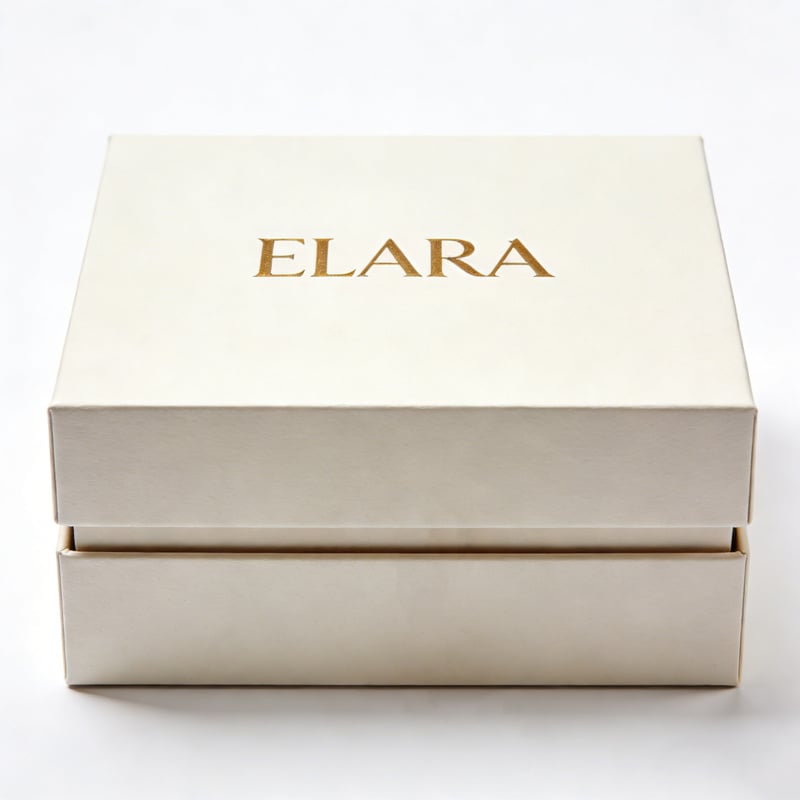
As small businesses venture into the jewelry market, they often face a crucial decision: how to package their products effectively. The best jewelry box packaging for small businesses not only serves a functional purpose but also enhances the brand's image and customer experience. This article will address key considerations for selecting the ideal packaging, balancing cost and quality, and providing practical solutions to common challenges faced in jewelry packaging. By the end, readers will have a clearer understanding of how to choose the right packaging that meets their needs.
Key Factors to Consider
When selecting jewelry box packaging, small businesses should prioritize several key factors. First, the material plays a significant role in both protection and presentation. Common options include cardboard, paperboard, and rigid boxes, each offering different levels of durability and aesthetic appeal. For instance, rigid boxes provide superior protection and a premium feel, which can enhance the perceived value of the jewelry inside.
Next, dimensions are critical. Packaging must be tailored to fit the product snugly to prevent movement during transit, which can lead to damage. Custom sizes may be necessary to accommodate various jewelry types, such as bracelets, necklaces, or rings.
Design elements should not be overlooked. Custom branding, color schemes, and finishes can make a significant impact on customer perception. Effective packaging design communicates the brand's identity and can influence customers' purchasing decisions. Additionally, consider the environmental impact of the materials used; eco-friendly options are increasingly favored by consumers.
Cost vs. Quality
In the realm of jewelry box packaging, striking the right balance between cost and quality is essential. While it may be tempting to choose the most economical option, subpar packaging can harm the brand's reputation. High-quality packaging reflects the value of the jewelry and enhances the overall customer experience.
When assessing costs, consider not only the initial price of materials but also the long-term implications. Cheaper materials may lead to higher rates of damage during shipping, resulting in increased returns and loss of customer trust. On the other hand, investing in quality packaging can reduce these risks and promote customer loyalty.
Buyers should also keep in mind the Minimum Order Quantity (MOQ). Often, higher quality packaging comes with a higher MOQ, which can affect upfront costs. It’s crucial to evaluate the expected sales volume and determine if the investment aligns with the business's growth strategy.
Installation and Assembly Guidance for Jewelry Box Packaging Solutions
Proper installation and assembly of custom jewelry box packaging can significantly affect the presentation and protection of the product. For businesses opting for flat-packed boxes, understanding how to assemble them efficiently is crucial.
Firstly, ensure that assembly instructions are clear and easy to follow. Providing a visual guide can simplify the process for staff, ensuring consistency in the packaging presentation. Additionally, training staff on the best practices for assembly can help minimize errors and enhance efficiency.
When dealing with more complex designs, such as boxes with inserts or compartments, consider pre-assembling certain components to save time. This can be particularly beneficial during peak sales periods when speed is essential.
Lastly, consider the usability of the packaging. Boxes should open and close easily without compromising the product's safety. Testing prototypes for functionality before mass production is advisable to identify potential issues early on.
Common Problems with Jewelry Box Packaging and Their Solutions
Several common problems can arise with jewelry box packaging, and understanding how to address them can save time and resources. One frequent issue is inadequate protection during transport. To mitigate this, businesses should select robust materials and consider additional protective elements like padding or inserts that secure the jewelry in place.
Another challenge is maintaining brand integrity through packaging. If the packaging does not align with the brand's image, it can confuse customers and diminish brand loyalty. To solve this, invest in custom designs that reflect the brand's identity, ensuring consistency across all touch points.
Lastly, many businesses face logistical issues, such as packaging delays or miscommunication with suppliers. Establishing clear communication channels and setting realistic timelines can help prevent these issues. Regularly reviewing supplier performance can also ensure that packaging solutions meet quality expectations and delivery deadlines.
Applications of Custom Jewelry Box Packaging for Small Businesses
Custom jewelry box packaging has versatile applications that extend beyond mere aesthetics. For small businesses, effective packaging can play a vital role in marketing and customer retention.
For example, unique packaging designs can be used for special promotions or seasonal offerings, allowing businesses to stand out in a crowded market. Additionally, incorporating personalized elements, such as handwritten notes or branded thank-you cards within the packaging, can enhance customer connection and encourage repeat purchases.
Furthermore, custom packaging can be tailored for specific occasions, such as weddings or holidays, making them ideal for gifting purposes. This not only broadens the appeal of the product but also increases the likelihood of word-of-mouth referrals, as satisfied customers share their positive experiences.
In summary, the right jewelry box organizer packaging can significantly impact how small businesses present their products. By understanding the key factors, assessing the balance between cost and quality, and addressing common challenges, small businesses can create packaging solutions that enhance their brand and improve customer satisfaction.