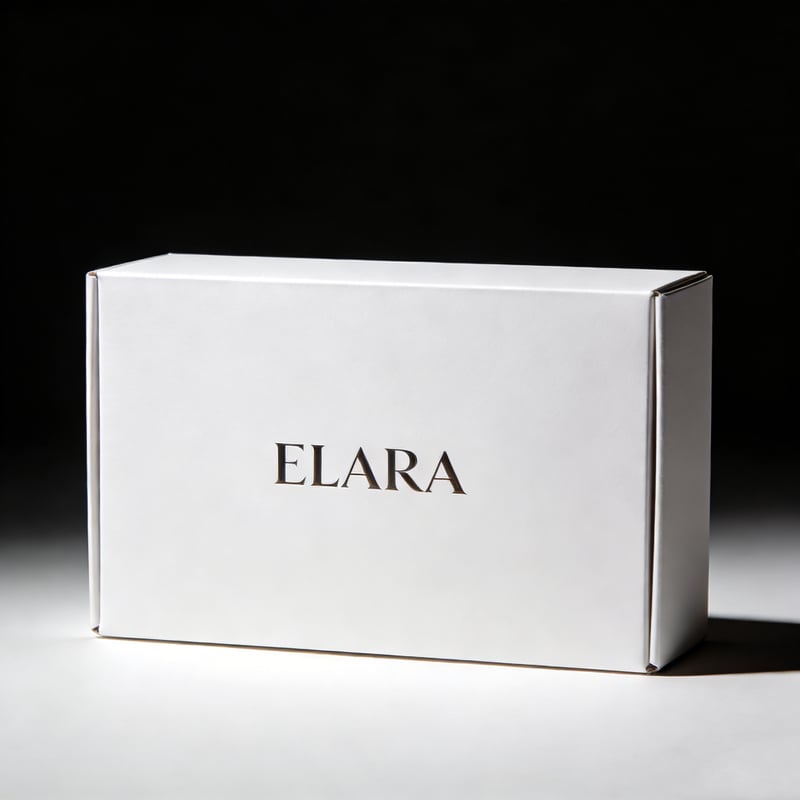
As one of the mainstream forms of packaging, paper box packaging is widely used in food, daily chemicals, electronics, pharmaceuticals, and other fields due to its advantages such as lightweight, recyclability, cost control, and flexible design. Its core knowledge points cover key dimensions such as material selection, structural design, functional value, quality control, and industry development trends, directly determining the practicality, safety, and market competitiveness of the packaging.
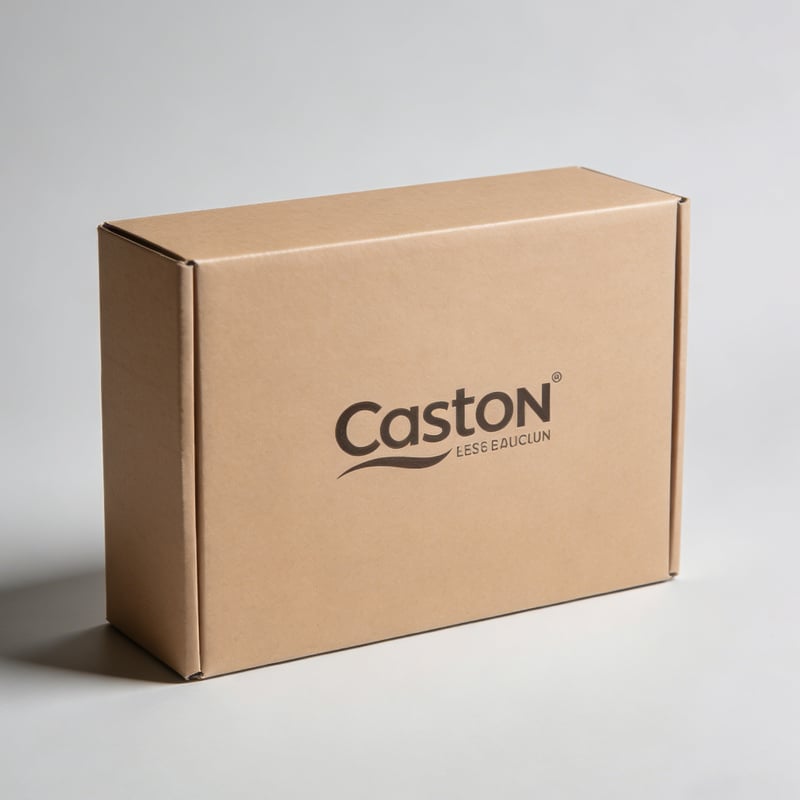
Material selection is the foundation of paper box packaging, with the core being matching product characteristics with the usage scenario. Common materials are mainly divided into pulp and paperboard: pulp materials mainly include kraft paper, white cardboard, and coated paper. Kraft paper has high strength and puncture resistance, suitable for packaging heavy items or products requiring moisture protection; white cardboard has a smooth surface and good printability, often used in daily chemical and gift packaging; coated paper has high gloss, enabling fine printing, and is mostly used in high-end consumer goods packaging. The core of cardboard packaging is corrugated cardboard, which can be categorized by flute type into A, B, C, and E grades. A-flute offers the best cushioning, B-flute boasts high stiffness, and E-flute is thin and flat. Composite corrugated cardboard can balance multiple properties, making it suitable for products requiring shock protection, such as electronics and home appliances. Furthermore, environmentally friendly materials such as recycled paper and biodegradable coated paper are becoming an industry trend, aligning with the concept of green packaging.
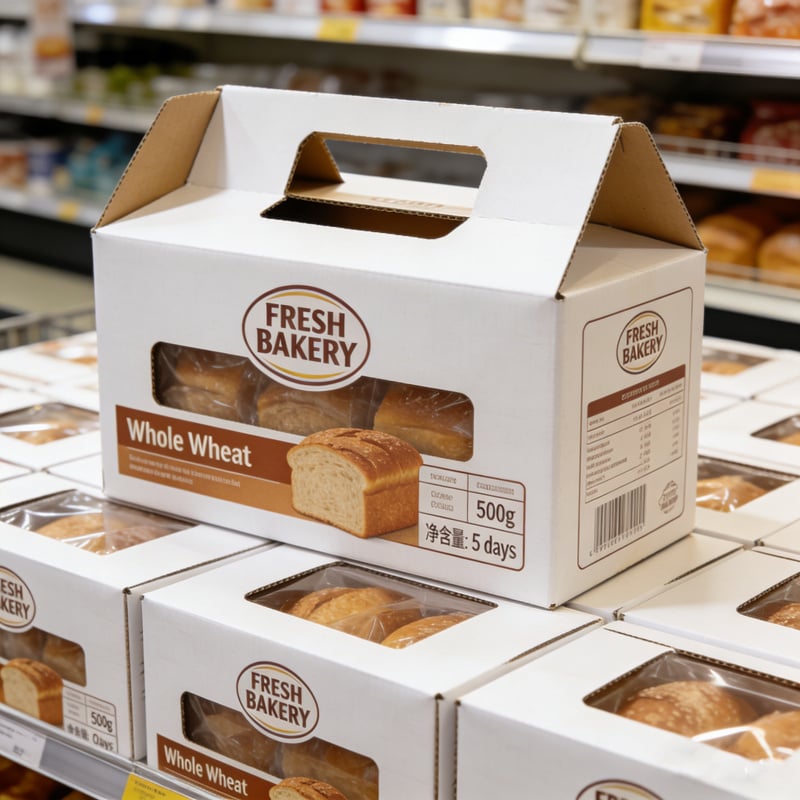
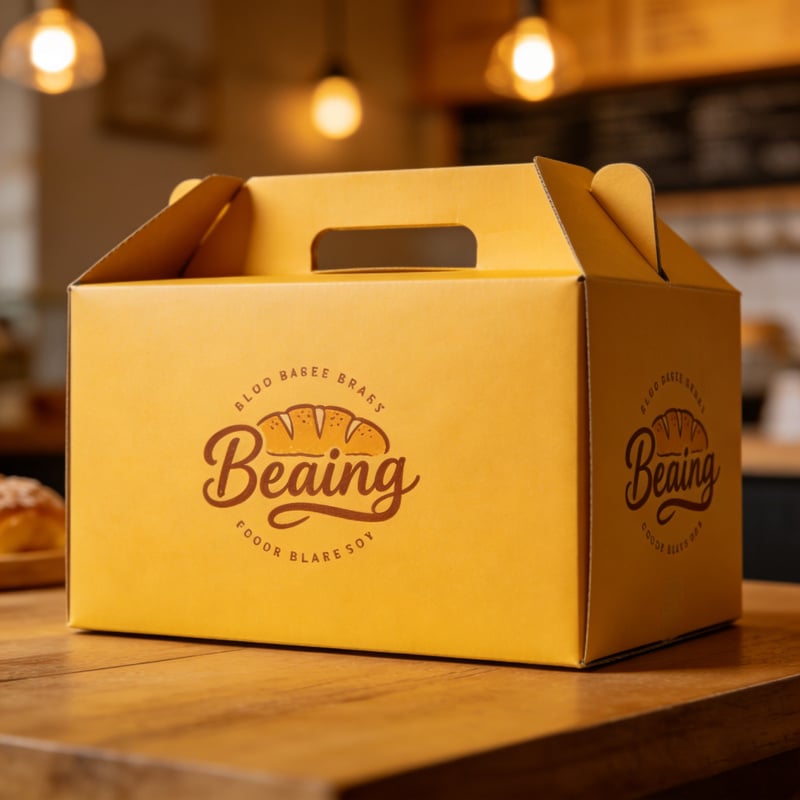
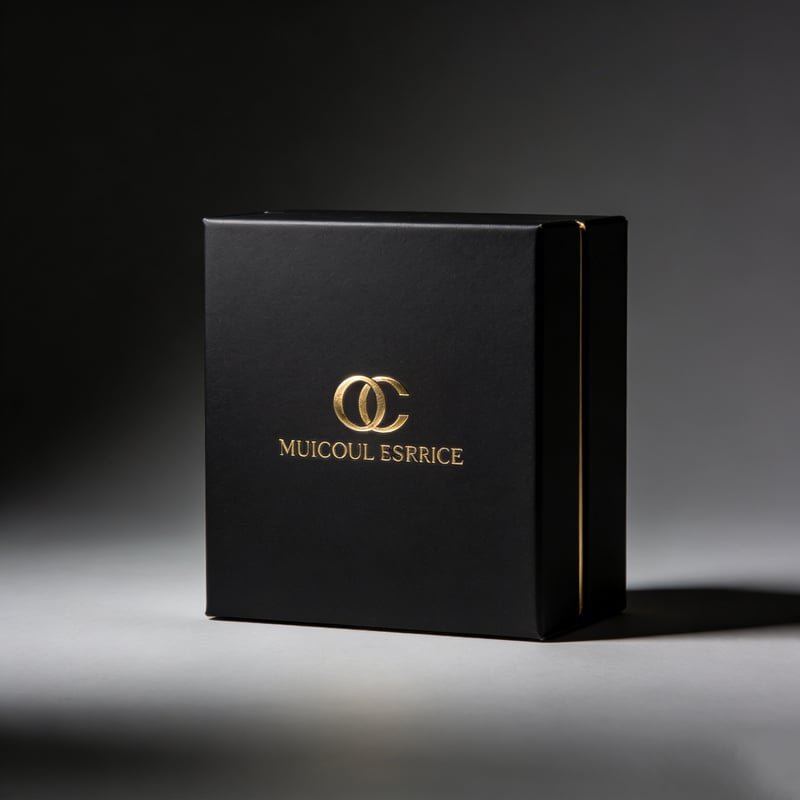
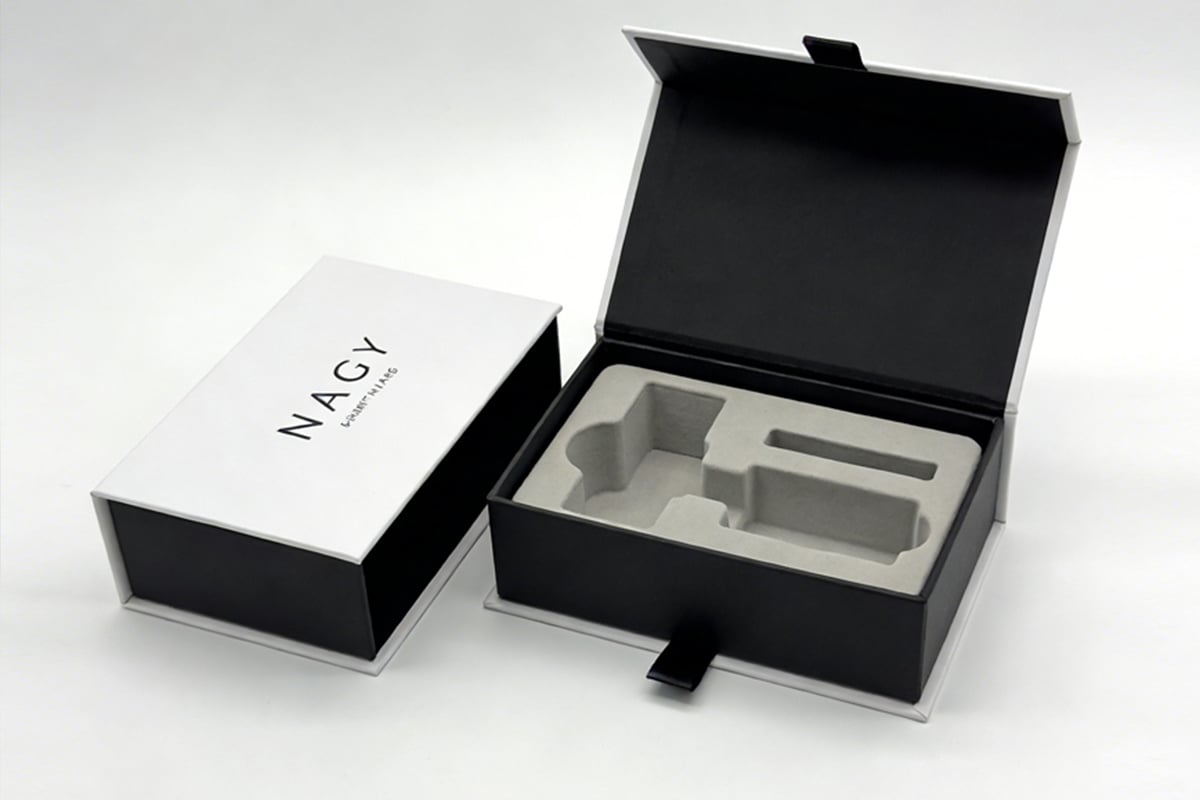
Structural design directly affects the practicality and aesthetics of cardboard boxes, with the core principle being a balance between protection, convenience, and style. Based on forming methods, they can be divided into folding and fixed types: Folding boxes (such as self-locking bottoms and tongue-and-groove types) allow for flatbed transport, saving storage space and offering easy opening, making them the mainstream structure; fixed boxes (such as top-and-bottom lids and drawer types) offer high stiffness and good sealing, suitable for high-end gifts and fragile items. Structural design must carefully consider product size, weight, and transportation environment. Optimized cushioning structures (such as corrugated interlayers and paper tray liners) enhance protection while optimizing opening and closing methods and assembly efficiency to reduce production and usage costs.
Functional value is the core positioning of cardboard packaging, requiring it to meet three core needs: protection, display, and information delivery. Protection is fundamental, achieved through material selection and structural design to isolate the product from external factors such as humidity, temperature, and impact. Display enhances product recognition and attracts consumer attention through design and printing processes (such as lamination, hot stamping, and UV printing). Information delivery requires clear labeling of key information such as product name, ingredients, shelf life, and instructions for use, complying with industry standards and regulations. Furthermore, some high-end cardboard boxes also require extended functions such as anti-counterfeiting, preservation, and portability.
Quality control is the safety guarantee for cardboard packaging. Key indicators include physical properties and printing quality. Physical properties include burst strength, stiffness, folding endurance, and adhesive strength, requiring testing with professional equipment to ensure no damage or deformation during transportation and storage. Printing quality requires accurate colors, clear patterns, precise registration, and no issues such as missing prints or smearing. Simultaneously, the printing inks must be safe and non-toxic, complying with relevant standards for food contact packaging materials. Furthermore, sample testing before mass production and sampling inspection during the production process are crucial for quality control.
Industry development trends are pointing the way for innovation in cardboard packaging. Currently, green (recyclable, biodegradable, lightweight), intelligent (integrating QR codes and RFID tags for traceability and interaction), and personalized (customized designs and printing to meet specific needs) are becoming mainstream trends. At the same time, upgrades in production processes (such as digital printing and automated molding) are further improving production efficiency and product precision, driving the transformation of cardboard packaging from a single protective function to a multi-functional carrier combining protection, marketing, and environmental protection.
 Hot News
2026-01-03
2025-11-23
2025-11-10
 EN
EN