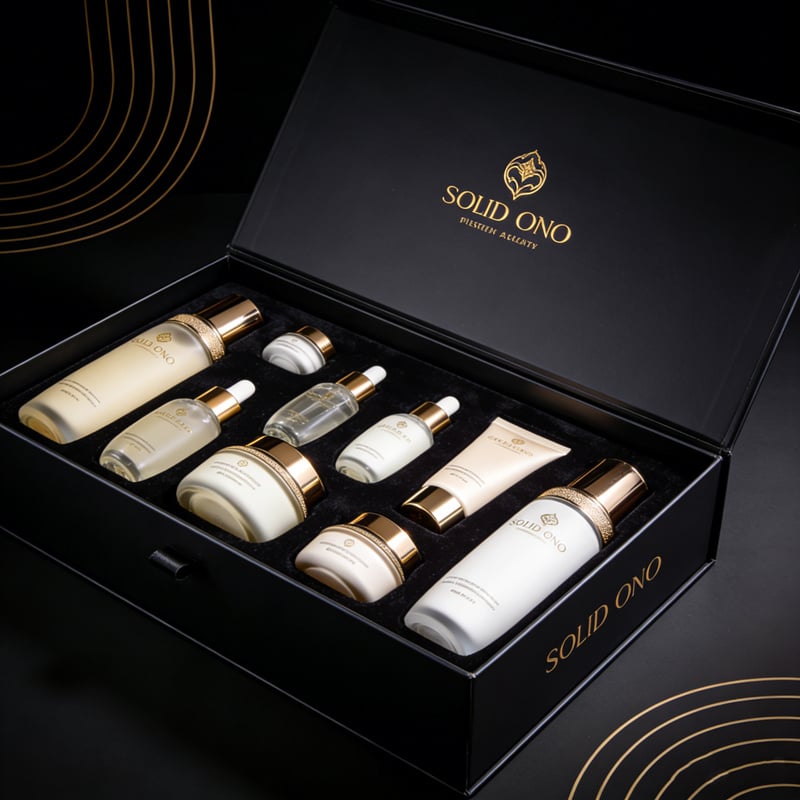
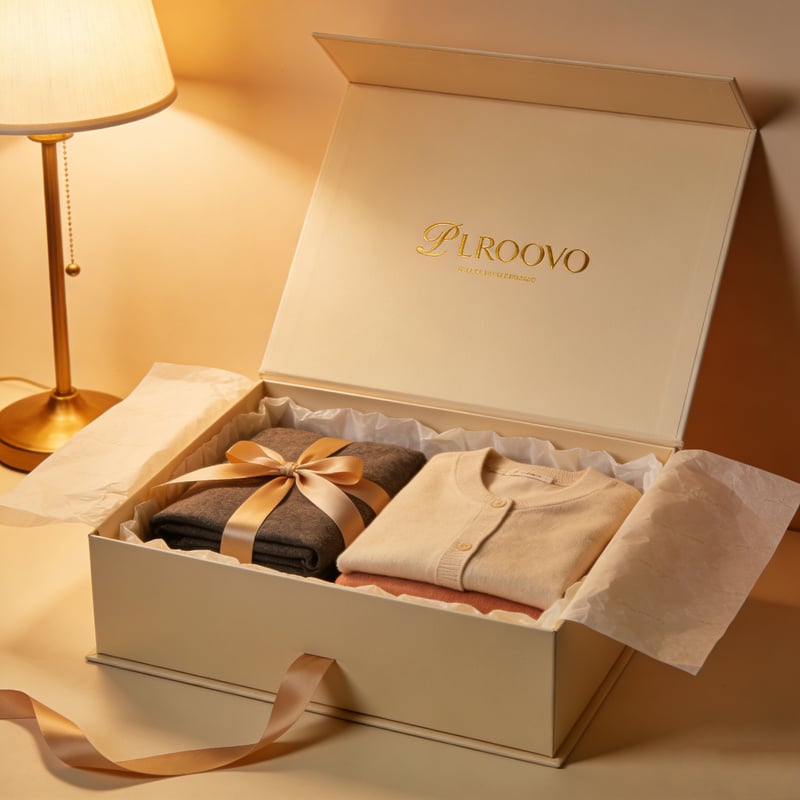
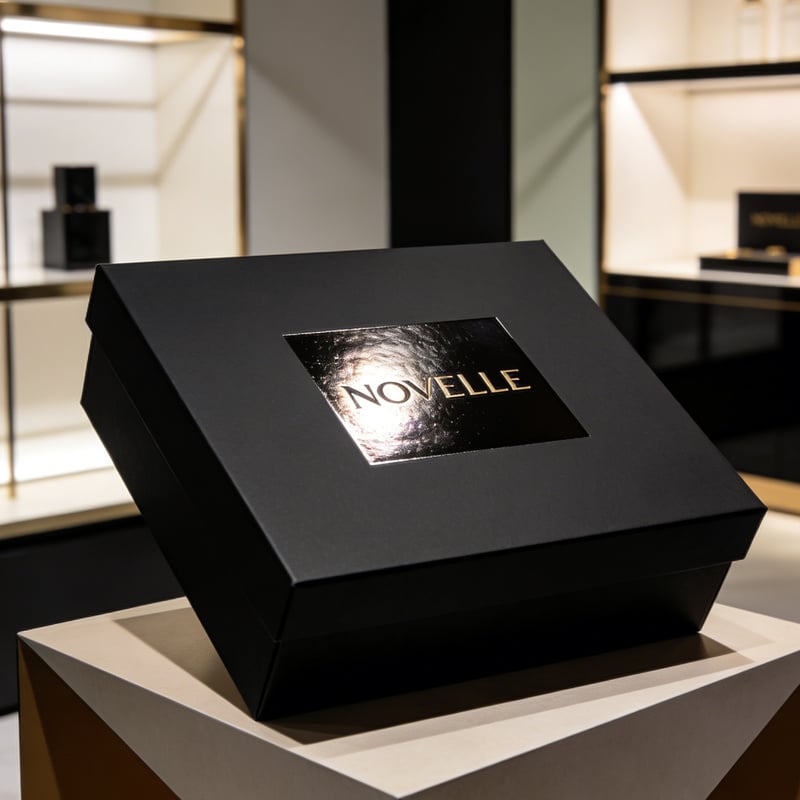
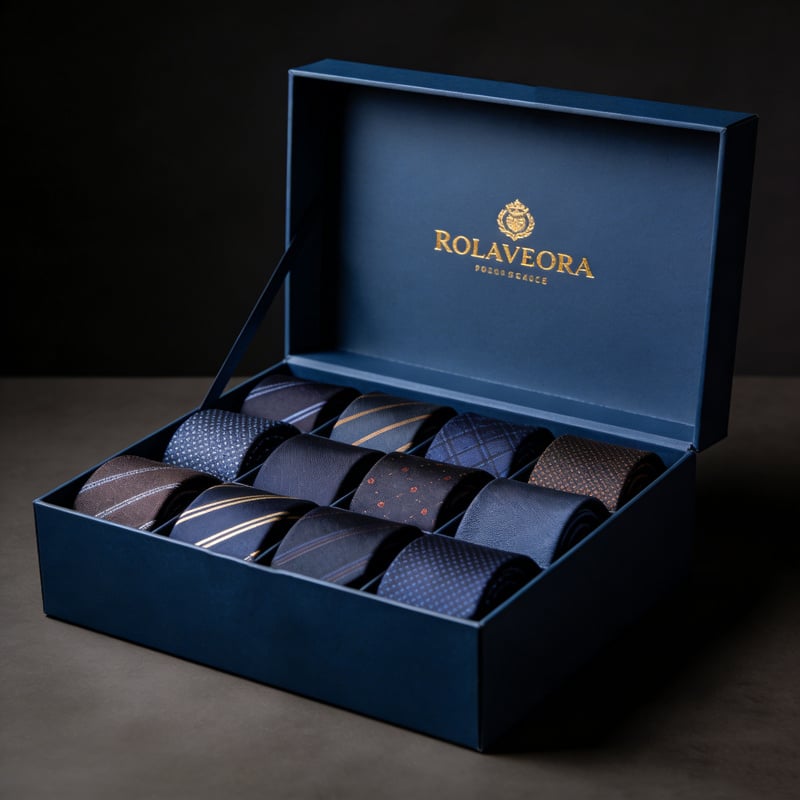
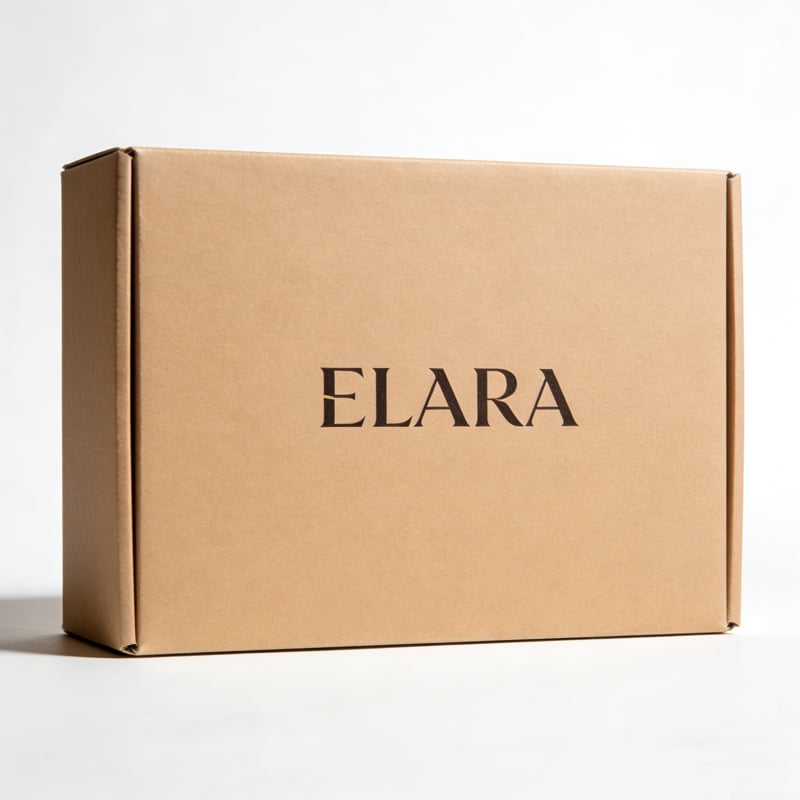
The core purpose of cardboard box design is to precisely match product characteristics, market demands, and brand positioning through scientific structural planning and appearance shaping, achieving four core values: "protection and assurance, marketing empowerment, practicality and adaptability, and brand communication," ultimately enhancing product competitiveness and consumer experience. Cardboard box design is not merely about aesthetic enhancement; it's a systematic project that balances functionality and commercial viability. Every detail must revolve around the core objectives of "serving the product, adapting to the scenario, and attracting consumers." The following section elaborates on the core logic of cardboard box design from three aspects: breaking down the core purpose, the implementation path, and the design balance principles.
Product protection is the primary purpose of cardboard box design and the foundation of all design requirements. As a "protective barrier" for the product, the cardboard box needs to be designed with a targeted protective structure and material matching scheme based on the product's physical characteristics (weight, size, fragility) and chemical characteristics (whether it contains moisture, oil, or corrosive components). For fragile items (such as glassware and ceramics), the core design principle is to enhance cushioning performance. This can be achieved through structures such as built-in paper trays, corrugated interlayers, and cushioning bumps to distribute the impact force during transportation. For heavy products (such as small appliances and hardware accessories), the rigidity and load-bearing capacity of the cardboard box need to be strengthened, using thickened cardboard or combined corrugated structures to prevent deformation and damage during handling. For products such as food and daily necessities that are susceptible to environmental influences, moisture-proof, oil-proof, and airtight structures are required, combined with lamination and coating processes to isolate the product from the corrosive effects of humidity and grease, ensuring product quality stability.
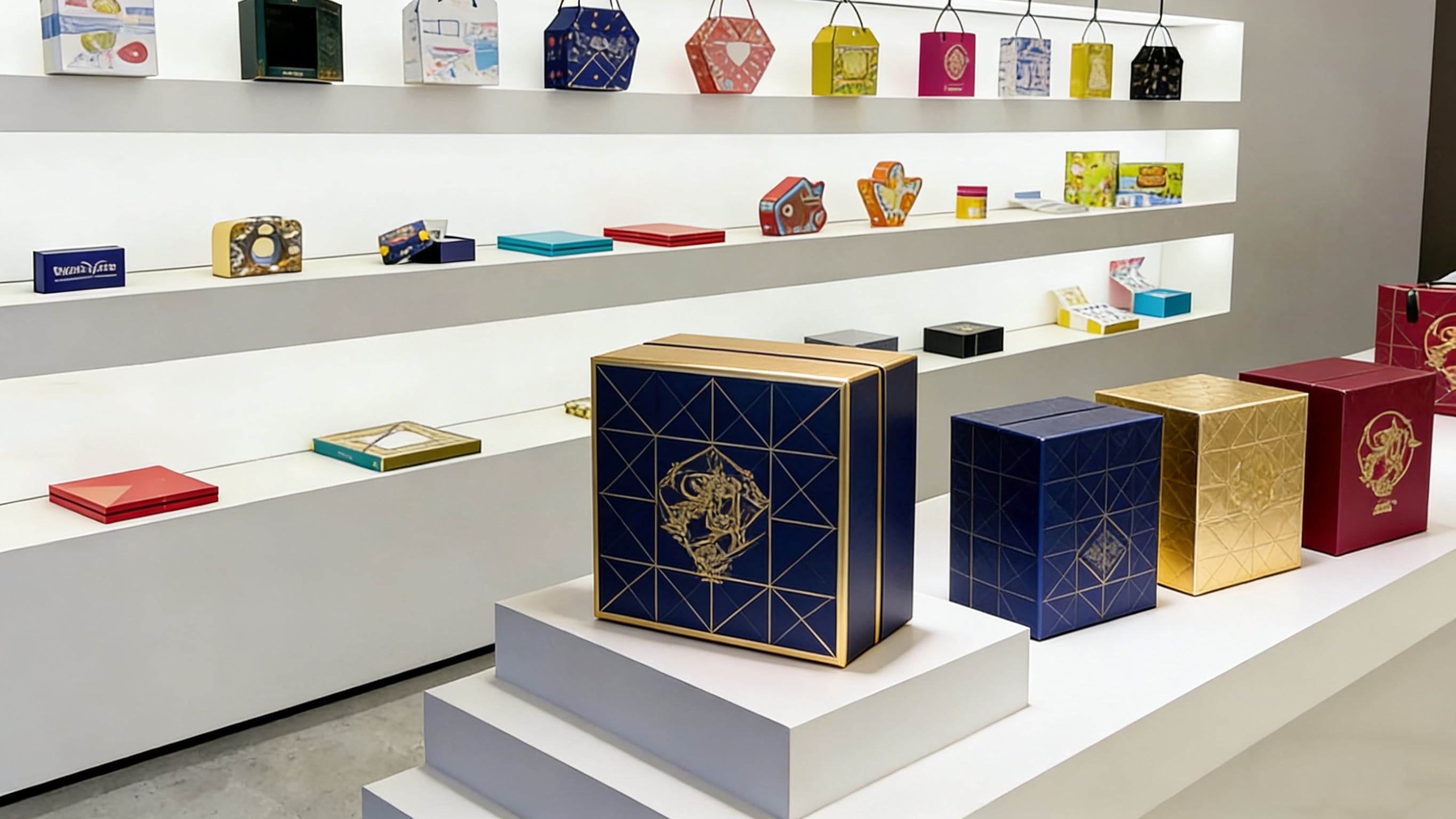
Marketing empowerment is an important business objective in cardboard box design, aiming to attract consumer attention through appearance design, thereby increasing product recognition and purchase intention. In shelf display scenarios, the appearance of the cardboard box is the "first point of contact" between the product and the consumer; therefore, the design must balance visual impact and brand recognition. In terms of color matching, it's necessary to consider the product positioning and the preferences of the target audience. For example, children's products often use bright and cheerful colors, while high-end cosmetics prefer simple and textured low-saturation colors. Regarding shape design, traditional square forms can be broken away from, adopting irregular structures, folding and opening designs, and other differentiated forms to enhance memorability. In terms of printing technology, processes such as hot stamping, UV coating, and lamination can enhance the texture while clearly presenting the product's core selling points (such as "natural ingredients" and "environmentally friendly materials") and the brand logo, achieving a dual effect of "visual appeal + information delivery." Furthermore, some cardboard boxes can be designed as reusable forms (such as storage boxes and gift boxes) to extend the brand exposure period and strengthen marketing effectiveness.
Practicality and adaptability are the core functional objectives of cardboard box design, ensuring convenience throughout the entire process of use, transportation, and warehousing. From a usage perspective, cardboard box design needs to align with consumer habits. For example, food boxes should have easy-tear openings and resealable structures, while electronic product boxes should clearly label opening instructions to enhance ease of use. From a logistics perspective, it's crucial to balance transportation efficiency with cost control, employing foldable flat structures to reduce storage and transportation space requirements, while optimizing assembly processes to lower labor costs. From a specific scenario perspective, boxes designed for special environments require targeted designs. For instance, boxes for refrigerated environments need to be made of cold-resistant, non-brittle materials, while outdoor boxes need enhanced waterproof and sun-protective properties to ensure adaptability across all scenarios.
Brand communication and compliance are the underlying goals of cardboard box design. It must convey brand values while adhering to industry standards and environmental trends. In terms of brand communication, cardboard box design needs to integrate into the brand's visual system (logo, color, font), conveying brand values through detailed design. For example, environmentally friendly brands can use recycled paper materials and label them with "recyclable," while high-end brands can highlight their quality positioning through simple and textured designs, making the cardboard box an extension of the brand image. Regarding compliance, industry standards must be strictly followed. Cardboard boxes for food, pharmaceuticals, and other categories must clearly label ingredients, shelf life, production qualifications, and other information. Exported products must comply with the packaging regulations and environmental requirements of the destination country. Simultaneously, with the upgrading of green consumption trends, cardboard box design must practice environmental protection concepts, using biodegradable and recyclable materials, reducing excessive packaging, and achieving a balance between commercial and social value.
 Hot News
2026-01-03
2025-11-23
2025-11-10
 EN
EN