Material selection is a core aspect of cardboard box packaging design and production, directly determining the packaging's protective performance, appearance, cost, and environmental attributes, ultimately impacting the product's market acceptance. Scientific selection of cardboard packaging materials requires focusing on four core dimensions: product characteristics, usage scenarios, compliance requirements, and cost budget. This involves precisely matching material performance with actual needs to avoid blind selection that could lead to packaging failure or resource waste. The following details the selection logic of cardboard packaging materials from four aspects: selection principles, core criteria, common material compatibility, and precautions.

The core principle of cardboard packaging material selection is "compatibility first, multi-dimensional balance." Compatibility first means that material performance must precisely match the product's physical characteristics (such as weight, size, fragility) and chemical characteristics (such as the presence of oils, moisture, and corrosive components). Multi-dimensional balance requires finding the optimal solution between protective performance, appearance, environmental requirements, and cost budget. For example, high-end consumer goods can prioritize the material's printability and texture, while industrial parts packaging must prioritize material strength and weather resistance, without excessive pursuit of decorative appearance.
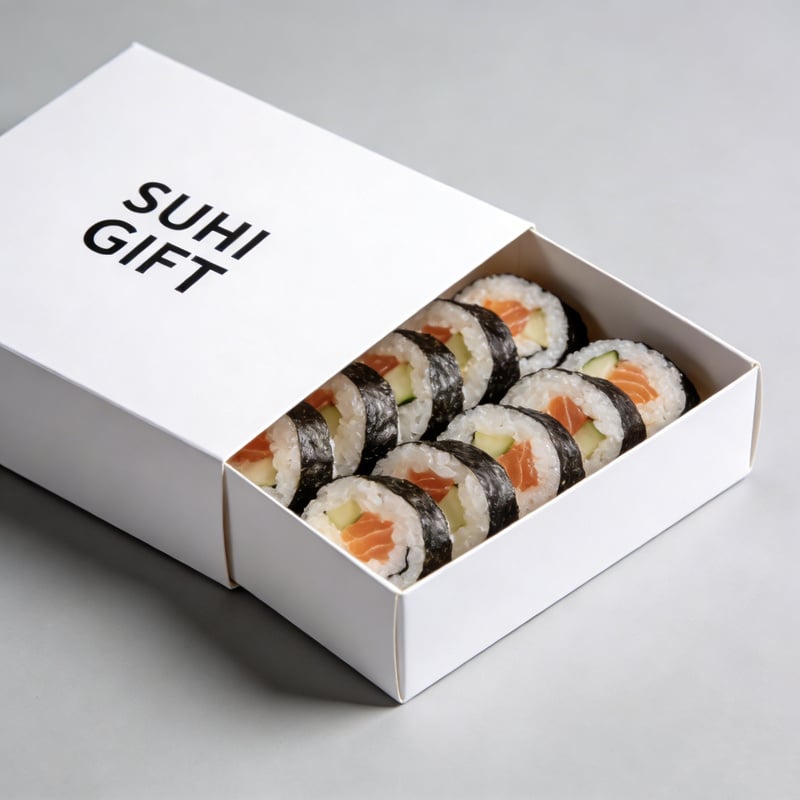
Clearly defining the selection criteria is a prerequisite for accurate material selection, mainly covering three core dimensions. Firstly, product characteristics are the fundamental basis: For heavier products (such as small appliances and hardware accessories), high-strength, puncture-resistant materials (such as kraft paper and A-flute corrugated cardboard) should be selected; for fragile items (such as glassware and ceramic ornaments), materials with excellent cushioning performance should be selected (such as E-flute and B-flute combined corrugated cardboard and white cardboard with inner lining); for food, daily chemicals, and other products containing oil or moisture, materials with oil-proof and moisture-proof coatings should be selected (such as coated paper and moisture-proof corrugated paper) to prevent the material from absorbing moisture, deforming, or leaking. Secondly, the usage scenario is a key reference: products stored at room temperature and transported over short distances can use conventional materials; for low-temperature refrigerated scenarios (such as fresh food), corrugated cardboard that is resistant to low temperatures and not easily brittle should be selected; for export products, they must meet the environmental standards of the destination country, and recyclable or biodegradable materials should be given priority. Thirdly, compliance requirements are a rigid bottom line: food contact cardboard packaging must use food-grade certified materials and inks, while pharmaceutical product packaging must meet the special requirements for sterility and antistatic properties of pharmaceutical packaging materials.
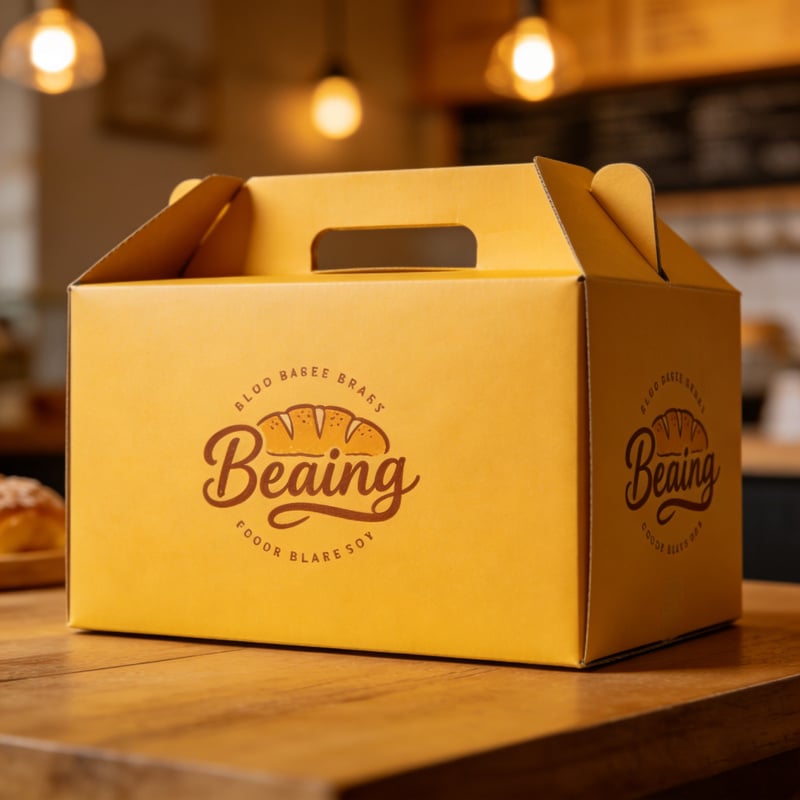
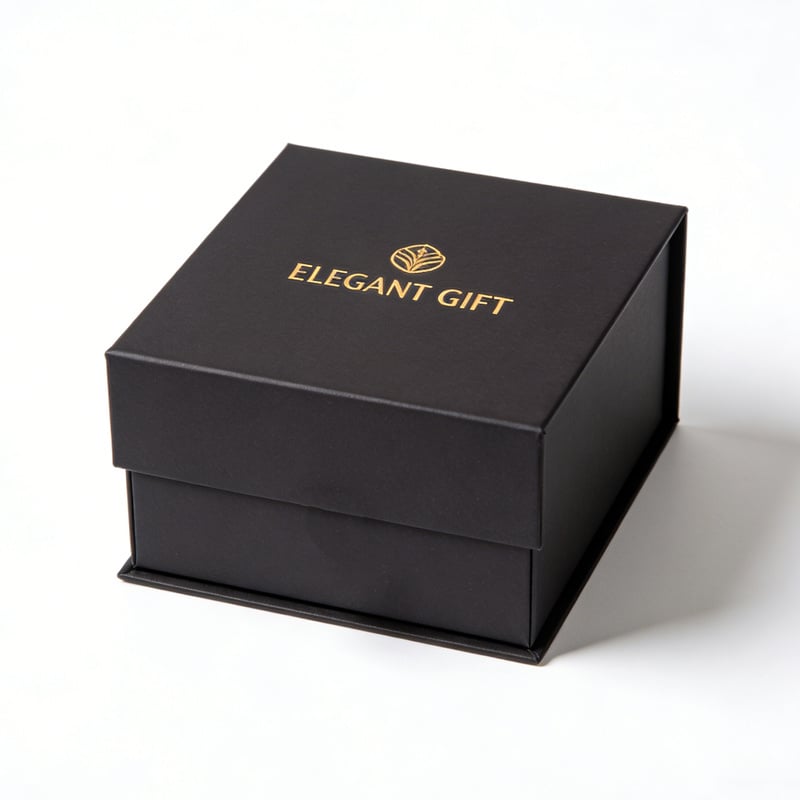
Understanding the characteristics and suitable application scenarios of common materials is key to improving material selection efficiency. Currently, commonly used cardboard packaging materials are mainly divided into two categories: pulp and cardboard. Each type of material has its own focus in suitable application scenarios. Among pulp materials, kraft paper has high strength and high folding resistance as its core advantages, and its low cost makes it suitable for packaging hardware parts, heavy goods, and dry goods that require moisture protection; white cardboard has a smooth surface, high color reproduction, and no odor, making it suitable for packaging daily chemical products, gifts, and lightweight foods (such as biscuits and candies); coated paper has excellent gloss and can achieve fine pattern printing and hot stamping, lamination, and other processes, making it suitable for high-end cosmetics, health products, gift boxes, and other products with high requirements for appearance and texture. Corrugated cardboard is the primary material used in cardboard packaging. Based on flute type, it can be divided into four basic types: A, B, C, and E. A-flute has the highest flute height and best cushioning performance, suitable for packaging fragile and heavy products. B-flute has high density, strong stiffness, and a smooth printing surface, suitable for making gift boxes that require folding and outer packaging for small to medium-sized products. E-flute is thin yet tough, balancing cushioning and stiffness, suitable for packaging small products such as precision electronic components and mobile phone accessories. Composite corrugated cardboard (such as AE and BE corrugated cardboard) combines the advantages of different flutes to meet complex needs (such as electronic products transported over long distances or bundled products containing multiple accessories). Furthermore, environmentally friendly materials are becoming mainstream in the industry. Recycled paper, biodegradable coated paper, and bamboo pulp paper are widely used in packaging for various brands that emphasize an environmentally conscious image, as they align with the green packaging trend.
Two key considerations should be taken into account during material selection. First, cost control is crucial to avoid "over-packaging." For example, using high-strength corrugated cardboard for lightweight daily necessities or ordinary white cardboard for high-end gift boxes would lead to wasted costs or a poor user experience. Material grades should be appropriately matched to product pricing and brand positioning. Second, supply chain stability is essential. Materials with sufficient market availability and reliable supplier qualifications should be selected to avoid production delays due to shortages of niche materials. Furthermore, small-scale testing is necessary before mass production to verify key indicators such as burst strength, adhesive strength, and moisture resistance, ensuring that the materials meet actual usage requirements.
 Hot News
2026-01-03
2025-11-23
2025-11-10
 EN
EN